
Painting a Home or Condo in Brookline, MA: What to Plan For
· By Sergio Pereira
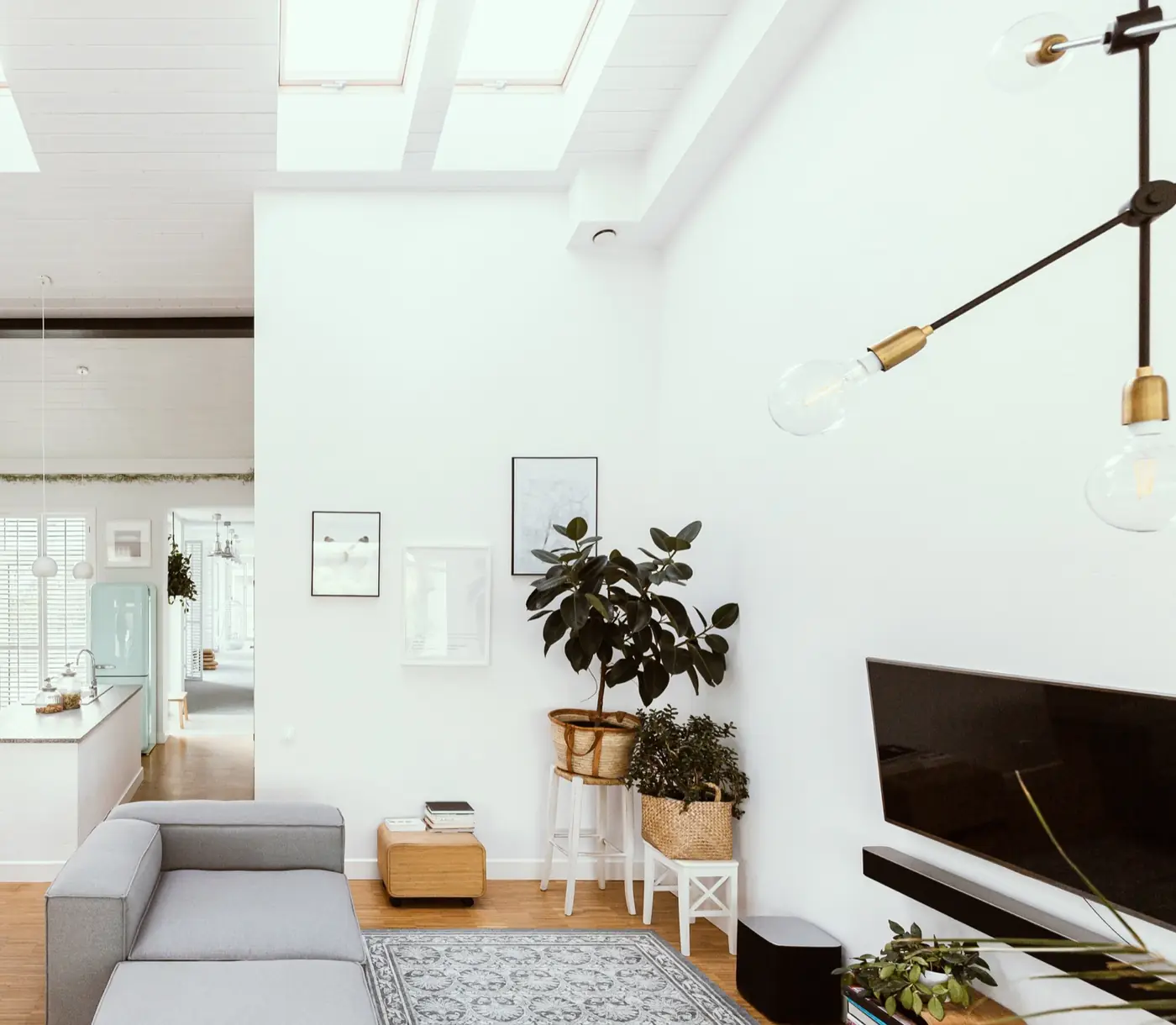
Brookline mixes two very different kinds of housing. On one side there are large single-family homes in areas like Fisher Hill, Pill Hill, Chestnut Hill and around Larz Anderson Park. On the other, there are thousands of condos and apartments in brick buildings and converted houses around Coolidge Corner, Brookline Village and Washington Square.
The paint itself is the same, but the planning is not. This guide covers what Brookline homeowners and condo owners should think about before a paint project: who needs to approve the work, how parking and access affect the schedule, and what older Brookline homes need from prep.
Condos: start with the association
If you own a condo, the inside of your unit is usually yours to paint, but the outside of the building, the common hallways and often the windows and doors belong to the association. Before planning anything beyond your own walls, check your condo documents and talk to the board or management company.
Associations commonly have rules about work hours, protecting common hallways and elevators, where materials can be stored and how contractors sign in. Some ask for a certificate of insurance from the contractor before work starts. Asking for that early avoids a delay on the first morning.
For exterior projects on condo buildings, the association usually hires the contractor, chooses colors and collects the money from all owners. If you are on the board, an estimate that clearly lists each surface, the prep and the products makes it much easier to compare bids and explain the cost to other owners.
Interior painting in Brookline condos
Many Brookline condos are in buildings from the early 1900s, with plaster walls, high ceilings, original trim and radiators. Plaster takes paint well but often has hairline cracks and old patches that need to be opened, filled and primed. Radiators need to be worked around carefully, and painting behind them is slow.
Condo projects are often done while the owner is living there, so planning the order of rooms matters. A good crew moves room by room, keeps one bedroom usable, protects floors and furniture, and cleans up at the end of every day.
Single-family homes and detail
Brookline single-family homes include large colonials, shingle-style houses, Victorians and Tudors. Like other older Boston-area homes, they often carry many layers of exterior paint and a lot of trim. Prep is where most of the time goes: scraping loose paint, sanding edges, repairing rotted sills and trim, recaulking and priming bare wood before two finish coats.
Many of these homes were built before 1978, so lead-safe work practices apply when painted surfaces are disturbed. That means containment, careful cleanup and protecting gardens and play areas. Every estimate should say how this is handled.
Preservation review
Brookline has local historic districts and a Preservation Commission. If your property is in a district, or if the project includes physical changes like replacing trim, windows or porch elements, check with the town before work begins. Rules vary by district, and a short conversation up front is better than a stop in the middle of the job.
Parking and access
Brookline is known for its overnight parking restrictions on streets, and daytime parking near commercial areas can be tight. For painting, that affects where the work vehicle goes, where ladders and materials are staged, and what time the crew can arrive. If you have a driveway, keeping a space open for the work truck makes the job smoother.
In dense areas, houses are often close together, so ladders may need to be set on a neighbor's side. A heads up to neighbors before the job starts goes a long way.
Colors that suit Brookline homes
Brookline streetscapes tend toward classic palettes: whites, creams, warm grays, deep greens, navy and historic reds on older homes, often with crisp white or contrasting trim. Inside, soft whites and light neutrals are popular in condos because they make rooms feel bigger and suit both older trim and modern kitchens.
If you are not sure, test samples on the actual wall and look at them in morning and evening light. Colors shift a lot between the store and your room.
Timing
Exterior painting runs from late spring into fall, when temperatures are stable and siding is dry. Interior painting works year-round, and winter is a great time for condo projects when outdoor crews have more availability. For association projects, start the bidding process early, since board approvals and owner votes take time.
Kitchens, baths and high-use rooms
In busy Brookline condos and homes, kitchens, bathrooms and hallways take the most wear. A washable finish such as satin or a scrubbable eggshell on walls, and semi-gloss on trim and doors, makes cleaning easier. Bathrooms benefit from paint made for humid rooms, and any mildew should be cleaned and treated before painting.
Working with SDP Painting
Most of our jobs are in Arlington, and we also work in Brookline. Sergio runs every job himself, and if something in our workmanship is not right, we come back and redo it at no cost. Free, written estimates that list every room or surface, so you or your board can compare clearly.
Frequently asked questions
- Do I need my condo association approval to paint inside my unit?
- Usually not for the walls inside your unit, but many associations have rules about work hours, hallway protection and contractor insurance. Check your documents first.
- Can you work around tenants or a family living in the unit?
- Yes. Interior work is usually done room by room, with furniture protected and the space cleaned up at the end of each day.
- Does my contractor need to show insurance?
- Many associations ask for a certificate of insurance before work starts. It is reasonable to request it from any painter.
Related services
Serving
Found this helpful? Make us a preferred source on Google.
Ready for an exact price?
Get a free, no-pressure in-home estimate. Real numbers for your home, not a phone guess.